Pusterla Digital Media Award 2025
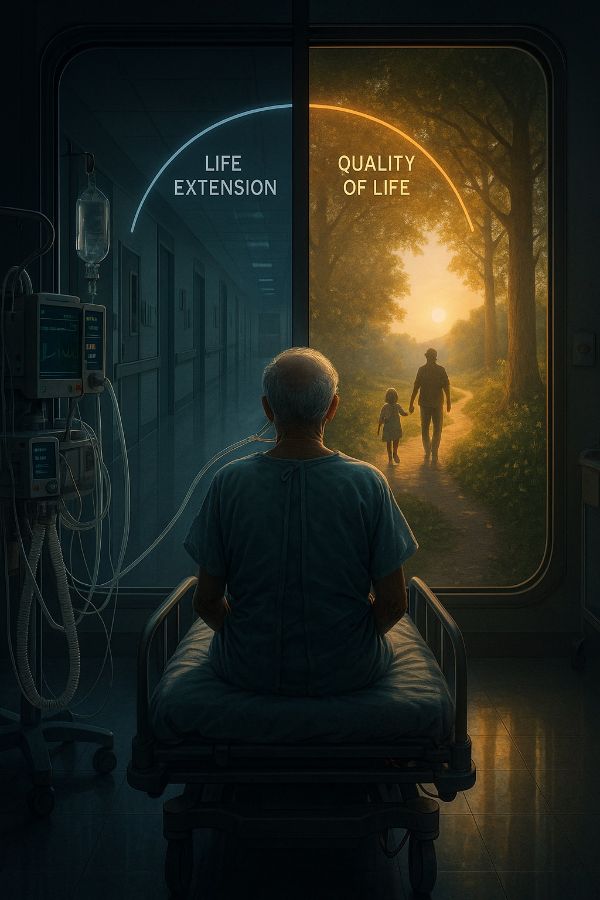
1. Place: Fabian Noel Egli – Between Time and Living (Universität Zürich & Universität St. Gallen)
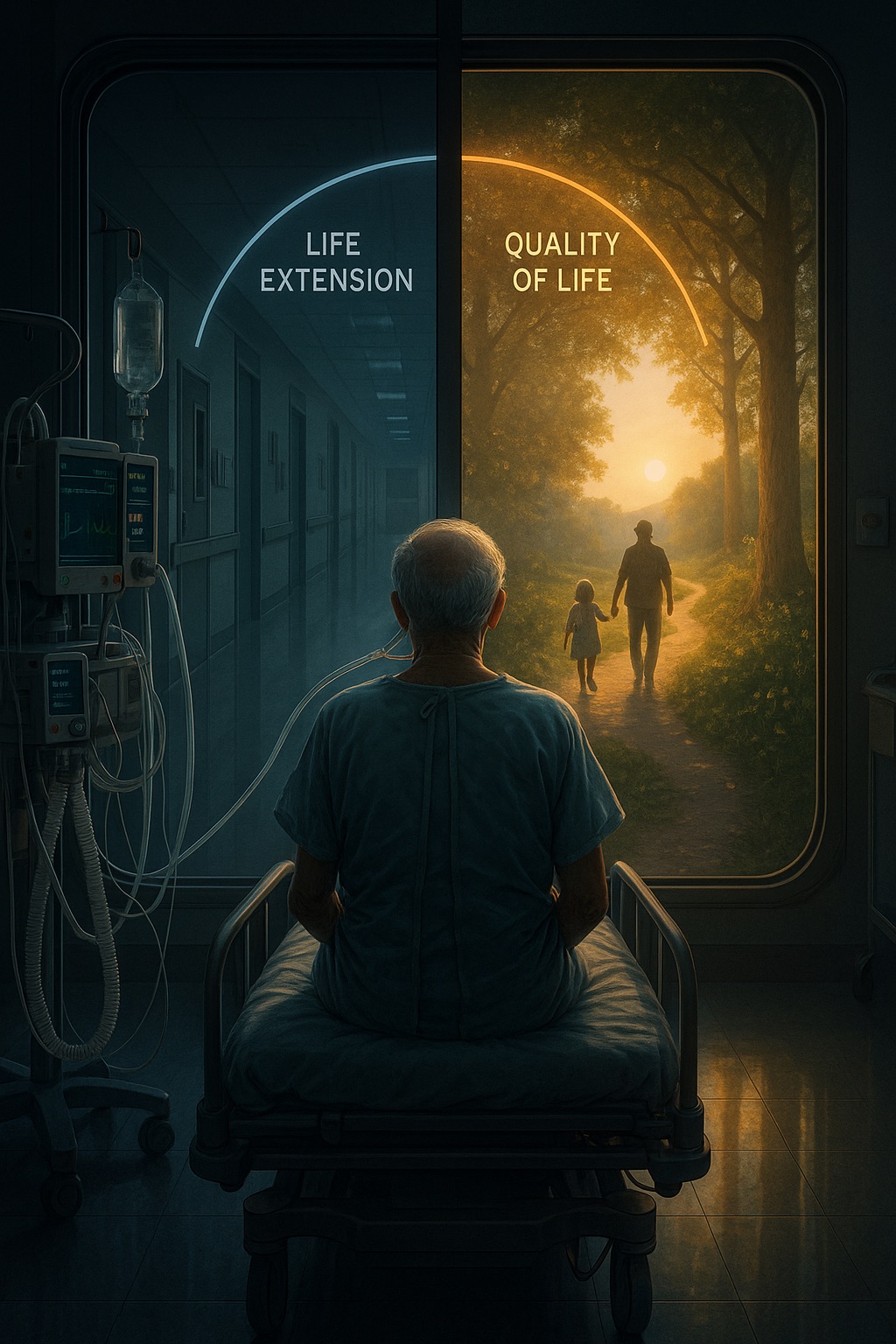
A patient looks out from a high-tech hospital room onto two possible futures: to the left, the sterile extension of life through machines; to the right, a path into the open—closeness, autonomy, meaning.
The work asks: When does “more time” become “less life”?
It critiques a purely technology-driven approach to medicine and advocates for decisions that take values, relationships, and the alleviation of suffering into account.
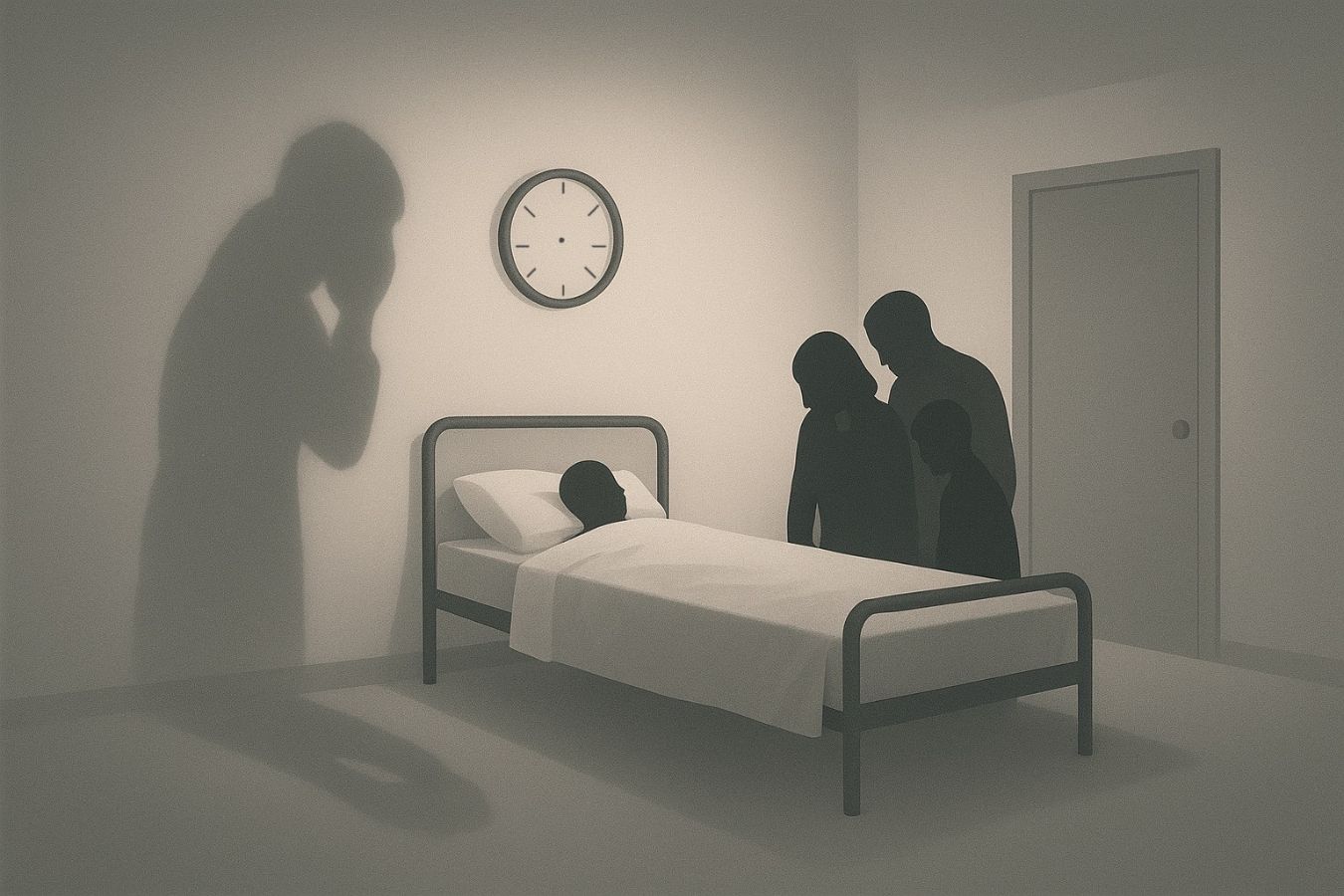
2. Place: Leudita Sherifi – A Timeless Moment (Universität Bern)
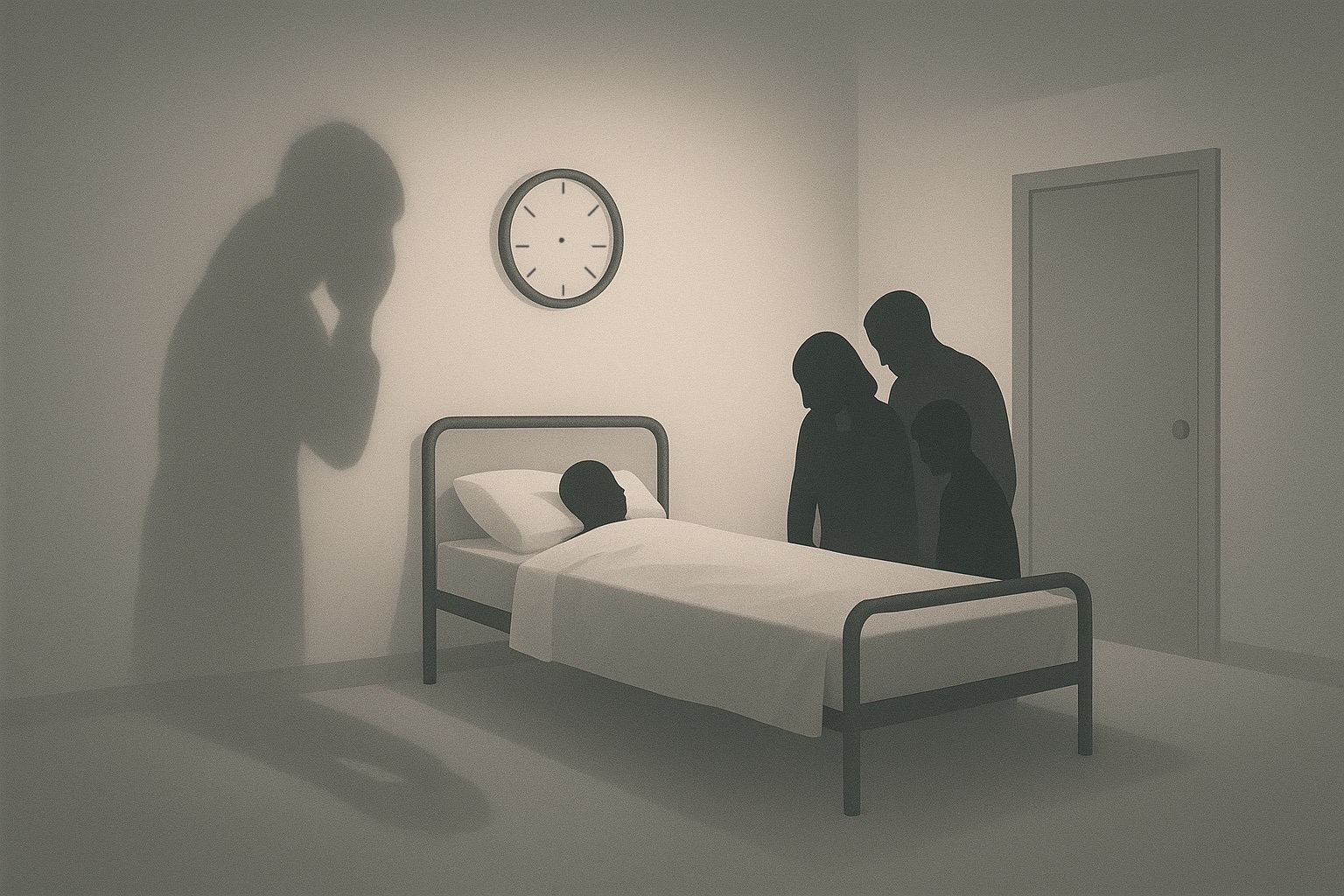
We are in a hospital. A sick person spends their last moments in a minimalist bed. The family is at the bedside.
The lack of visual details symbolizes the selectivity of memory: they will not remember the shape of the bed, the colour of the wall, or the number of machines. Their memories will be marked by the loss of their family member and the doctor who broke the news.
The doctor’s shadow symbolizes his dedication.
The clock without hands conveys what everyone feels: time standing still.
In its simplicity the image reveals the deepest truths, without ever showing them.
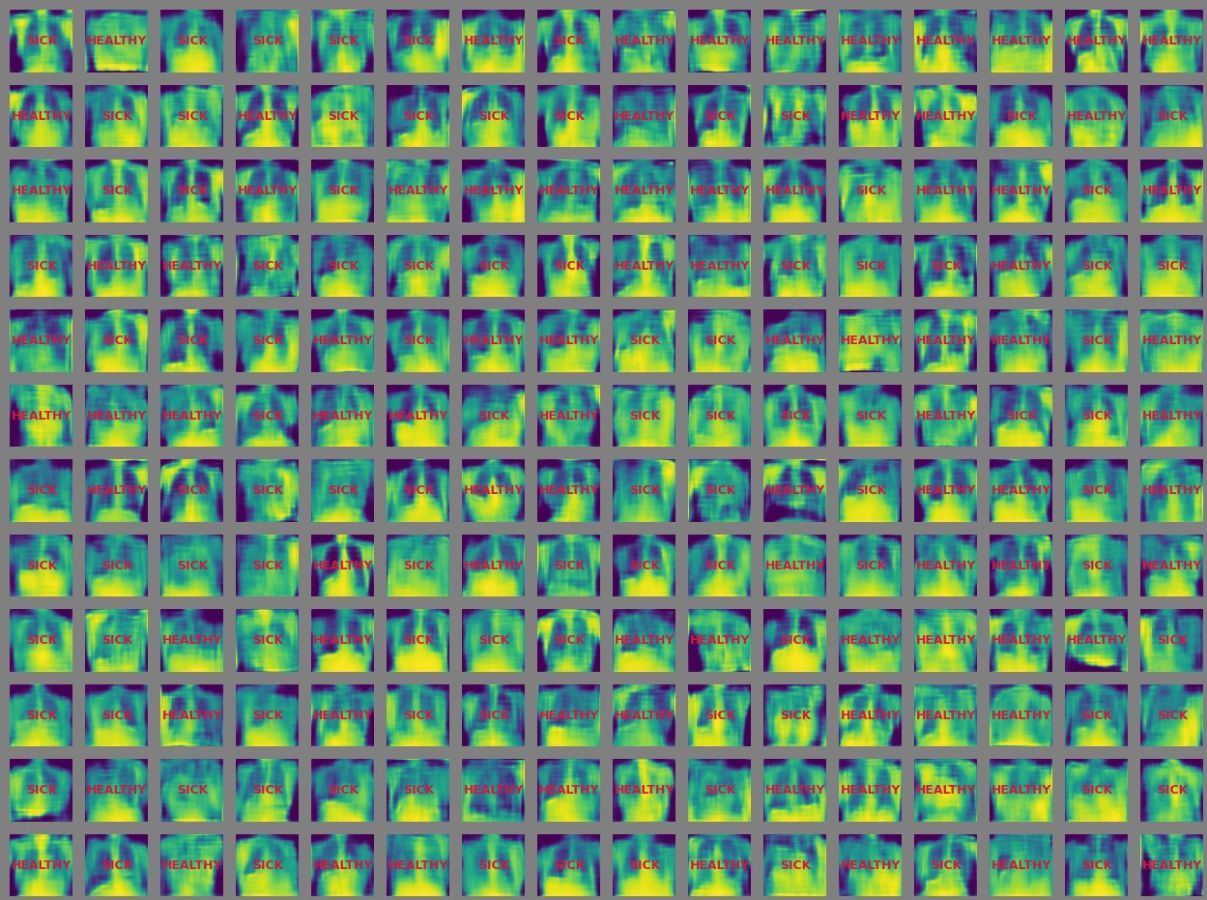
3. Place (tie): Henry Rotte – Trust me, I'm a Machine (Universität Basel)
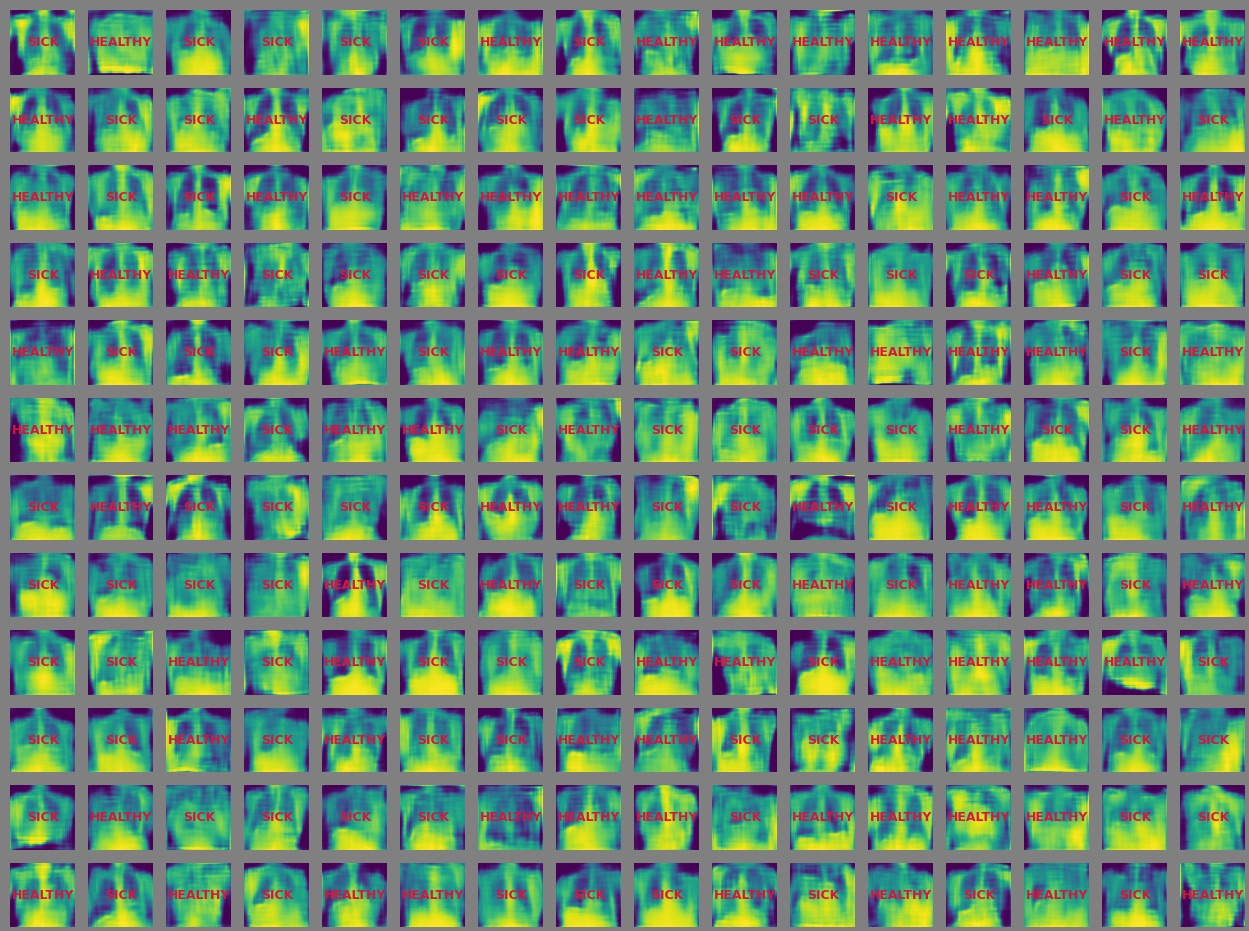
The (over)reliance on algorithms for diagnosis brings us back to the eternal two questions: What is to be done, and who is to blame (if it breaks)?
The series of bizarre AI-generated chest X-Rays are overlayed with nonsense healthy/sick judgements, illustrating the question of fault - does it lie with the programmer, the program or the human deploying it?
In this case, it is easy for us to tell that the verdicts are nonsense, but this will not always be the case. To protect our patients, we should always question the truthfulness of our digital assistants.
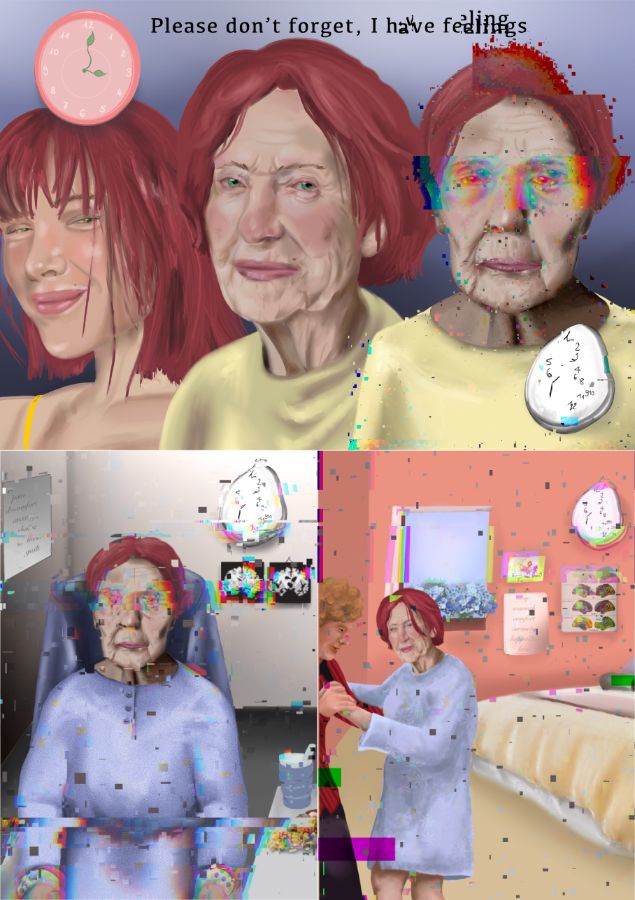
3. Place (tie) : Jana Caramaschi – I Still Have Feelings (Università della Svizzera Italiana)
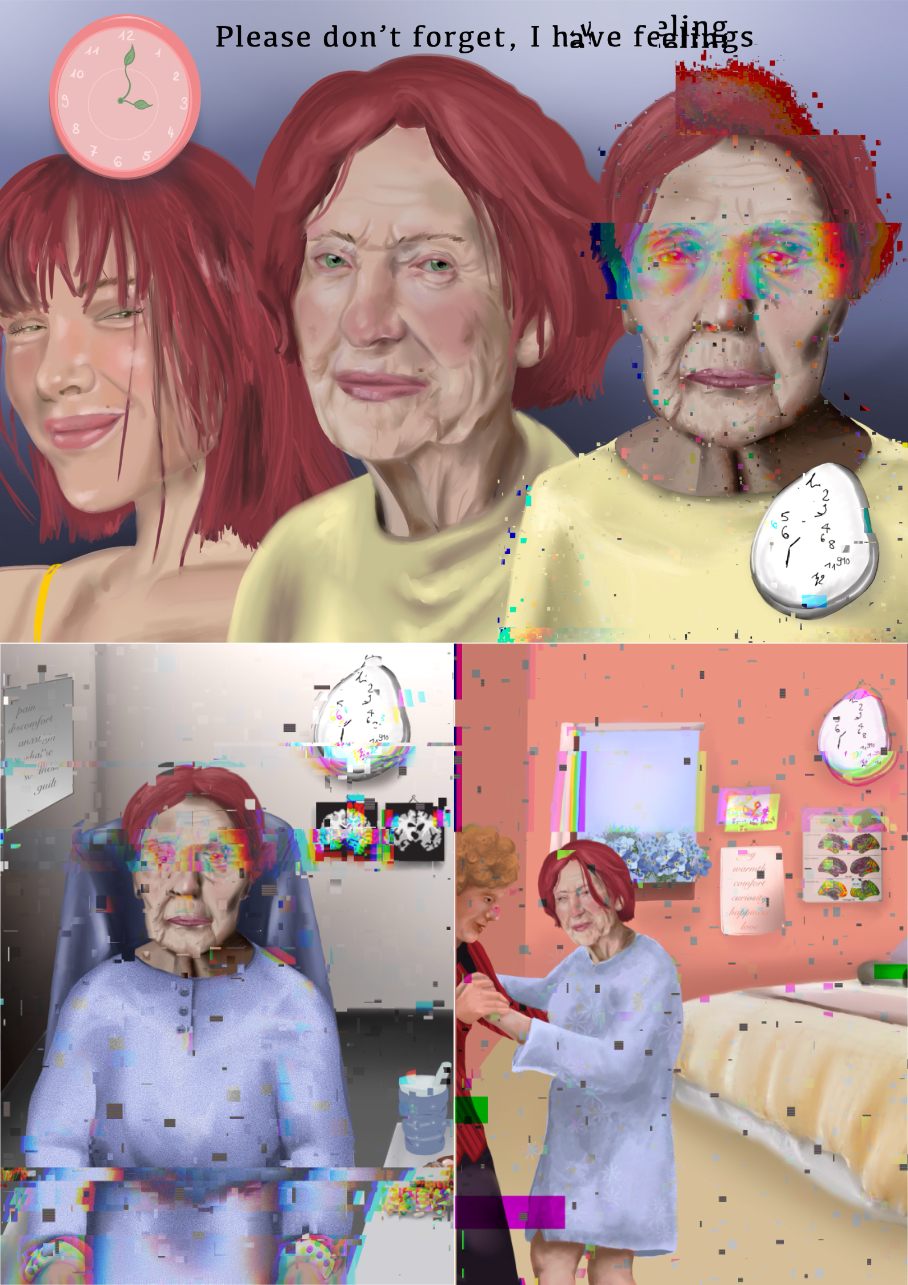
Caring for people with dementia is of great importance, because even when memories fade, emotions remain alive until the end. People with dementia continue to feel closeness, fear, joy, and pain. They need a great deal of empathy, patience, and respect.
Studies show that they suffer frequently from polypharmacy and are significantly more often affected by violence or neglect — both in care facilities and in home settings. It is important to treat them with dignity and compassion.
My pictures were created in memory of my grandmother, who herself suffers from dementia, and that is why this subject touches me deeply.
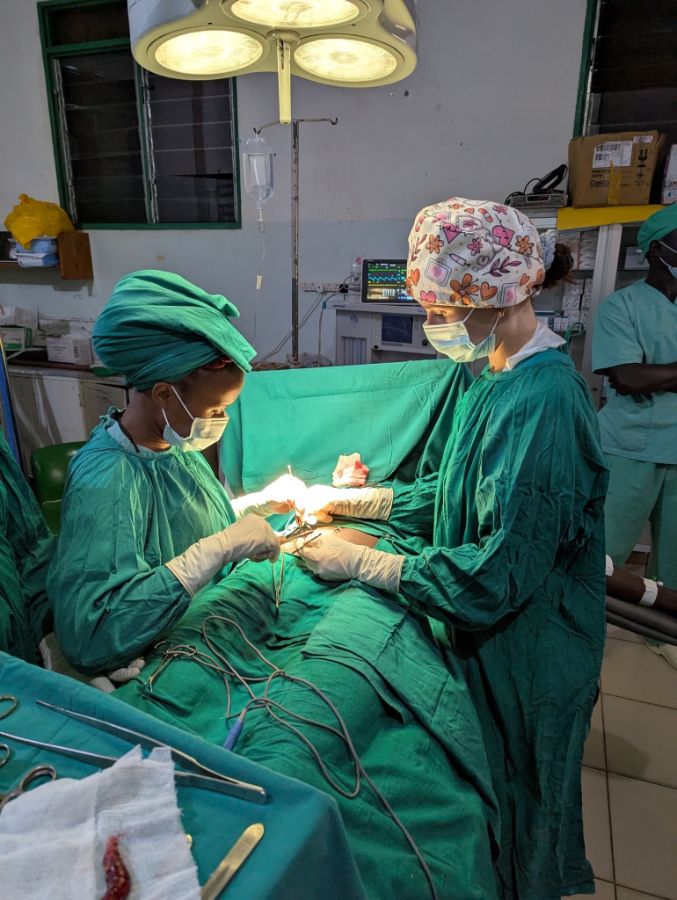
Audience’s Favourite: Sara Nicole Cecchetto – Between Learning and Responsibility: Surgery in a Low-Resource Setting (Universität Basel)
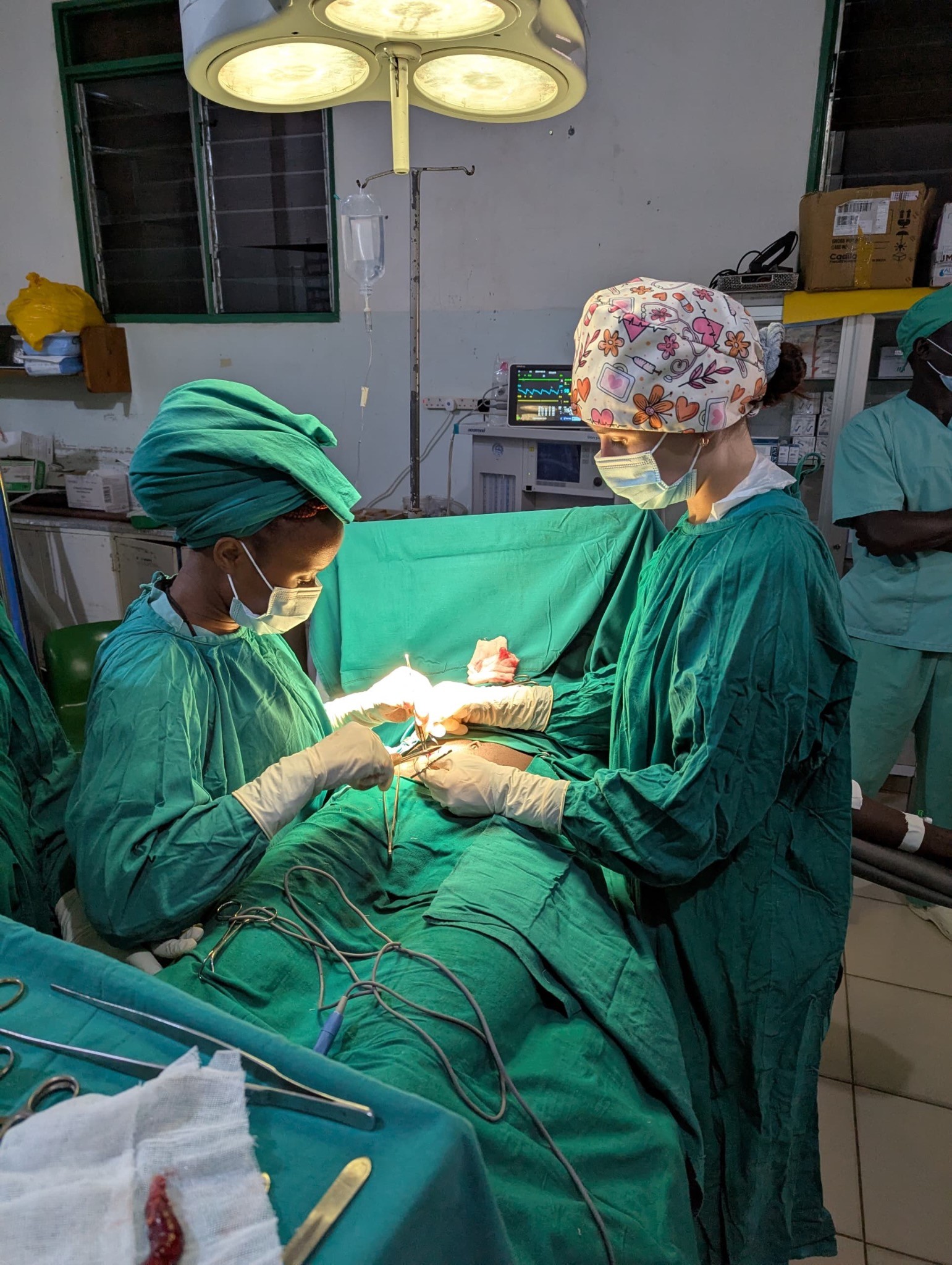
This image captures the tension between opportunity and ethics: an intern and a medical student (me) performing an appendectomy at night in a resource-limited operating room.
The scarcity of equipment and hygiene standards highlights systemic inequalities in global health. While the experience provides invaluable training, it raises questions about patient safety, informed consent, and the fairness of students practicing skills abroad that would not be permitted at home.
It challenges us to reflect on balancing the urgent need for care in underserved settings with the ethical duty to uphold universal standards of medical practice.